
From coordinated design to precision-manufactured components, sequenced for installation.
At our Hayward facility, every component is manufactured from coordinated digital specifications through a documented, quality-controlled process. Each component is precision-built, pre-labeled, and sequenced for delivery and installation.
Inside the 4C manufacturing process.
From cutting and assembly to labeling for installation sequence, here's how a component takes shape at our Hayward facility.
Where specification becomes a physical component.
Manufacturing is the third of our six process phases, and the first phase where your project becomes something physical. Everything upstream, Design and Coordination (configuration, the digital model, permit documentation, and certification), exists to make sure manufacturing runs against a locked, accurate specification rather than a moving target.
Components are cut, assembled, and finished to that specification under either our 4C SAFE™ or 4C ECO™ system, then labeled for their exact position in the installation sequence before they ever leave the facility.
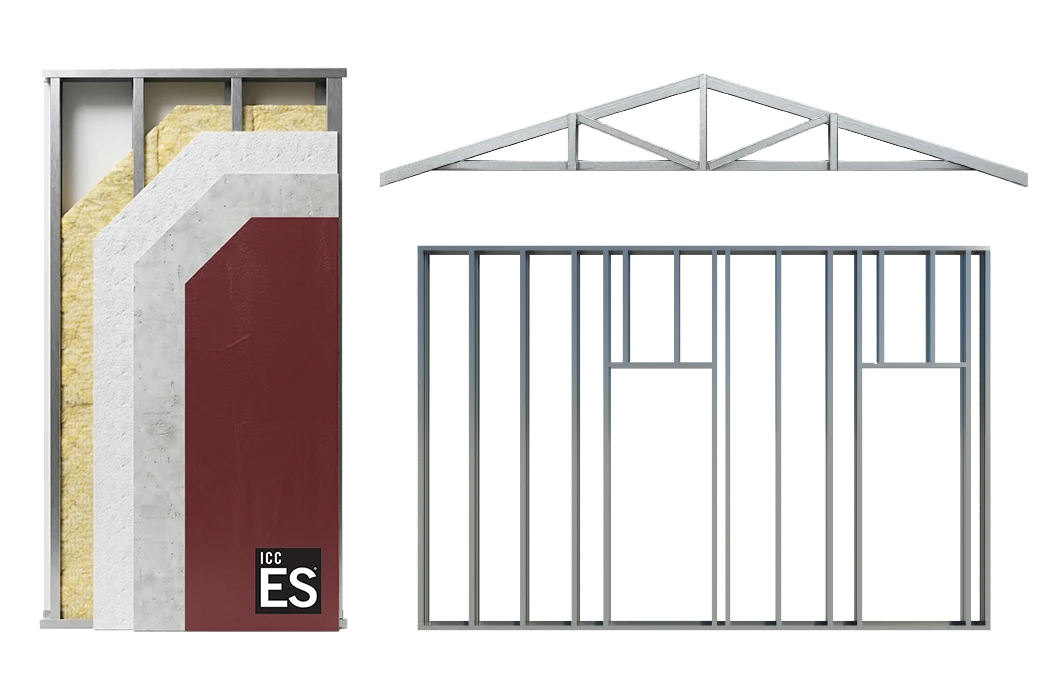
From the production floor to a labeled component.
A closer look at what happens inside our Hayward facility, from finished panels leaving the line to the certified assemblies underneath them.
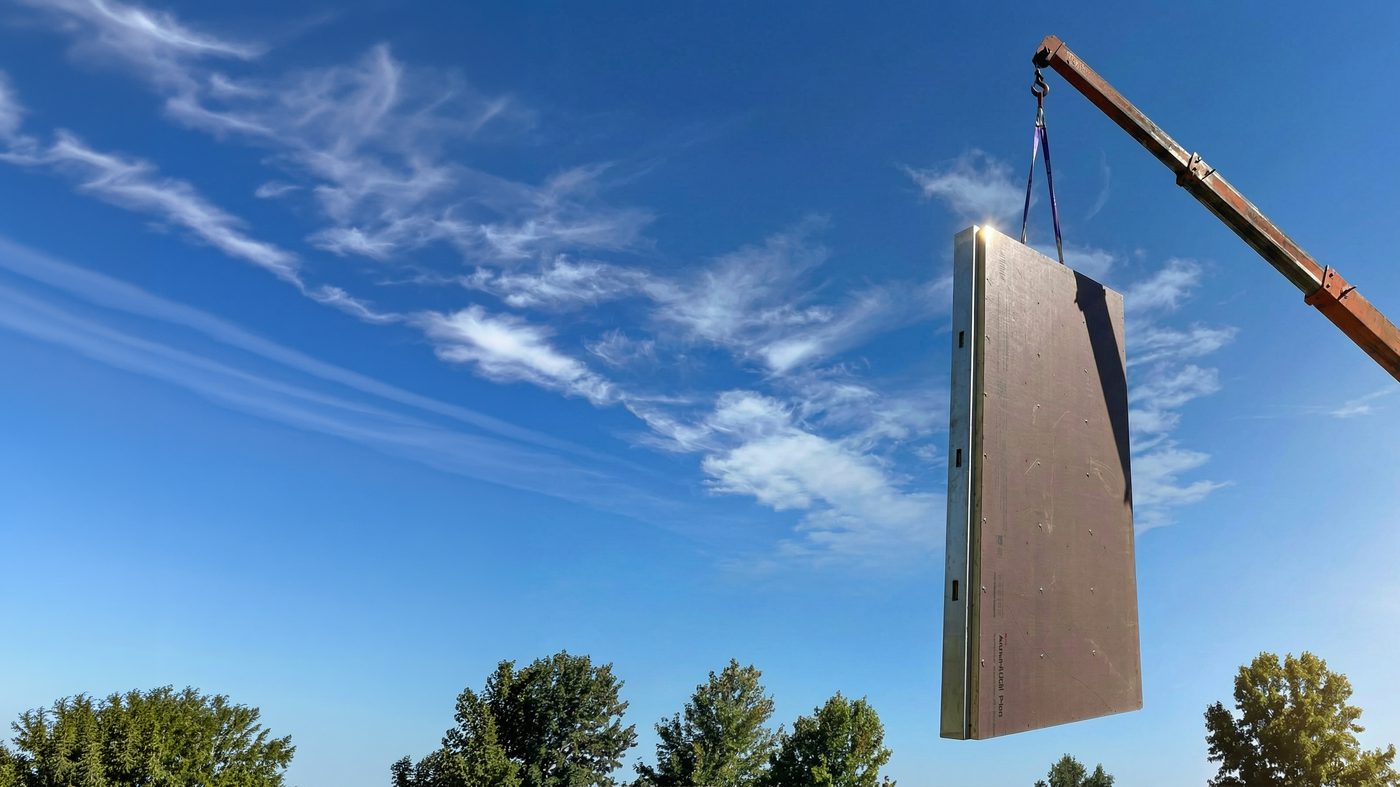
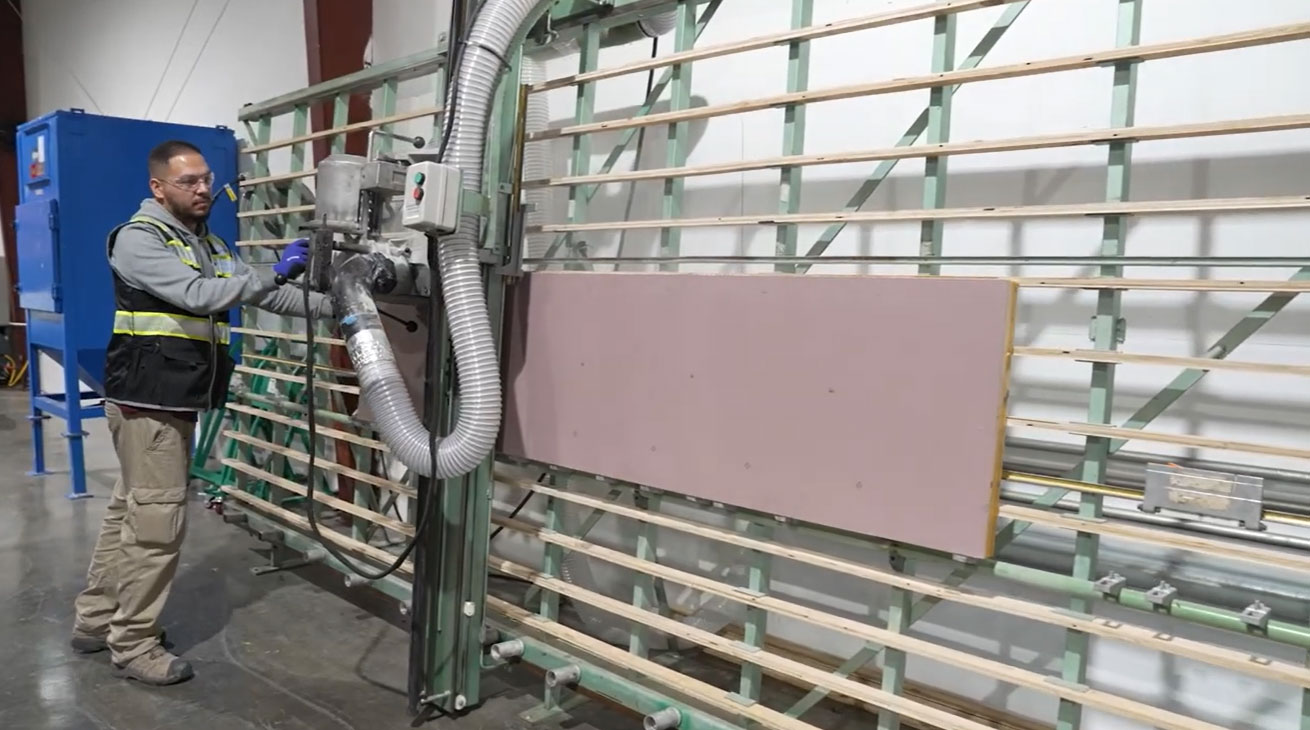
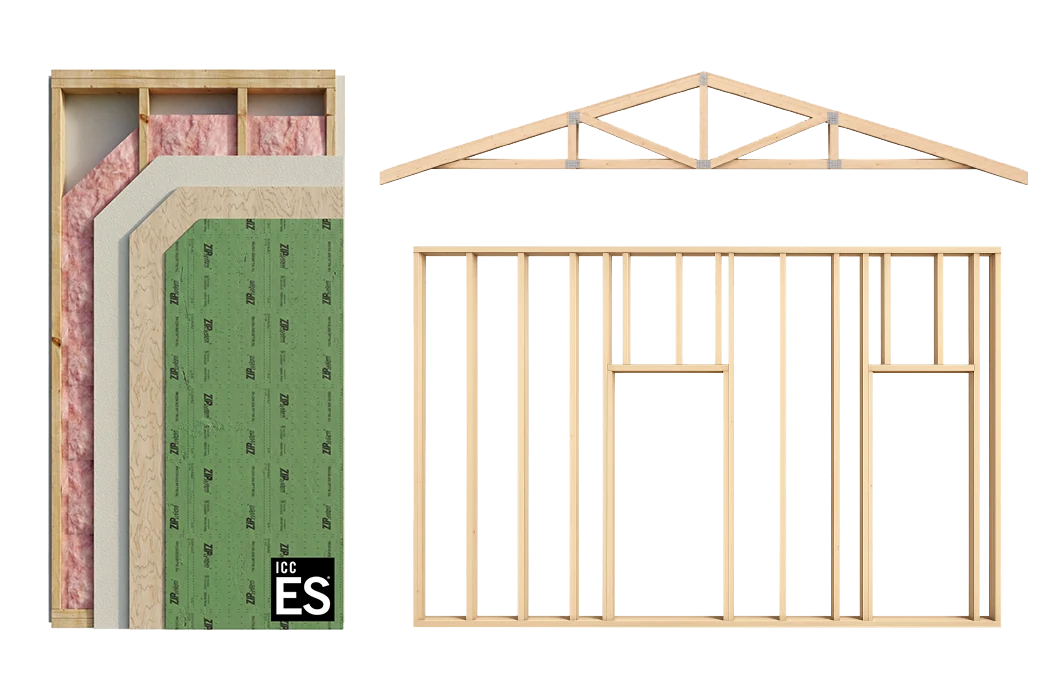
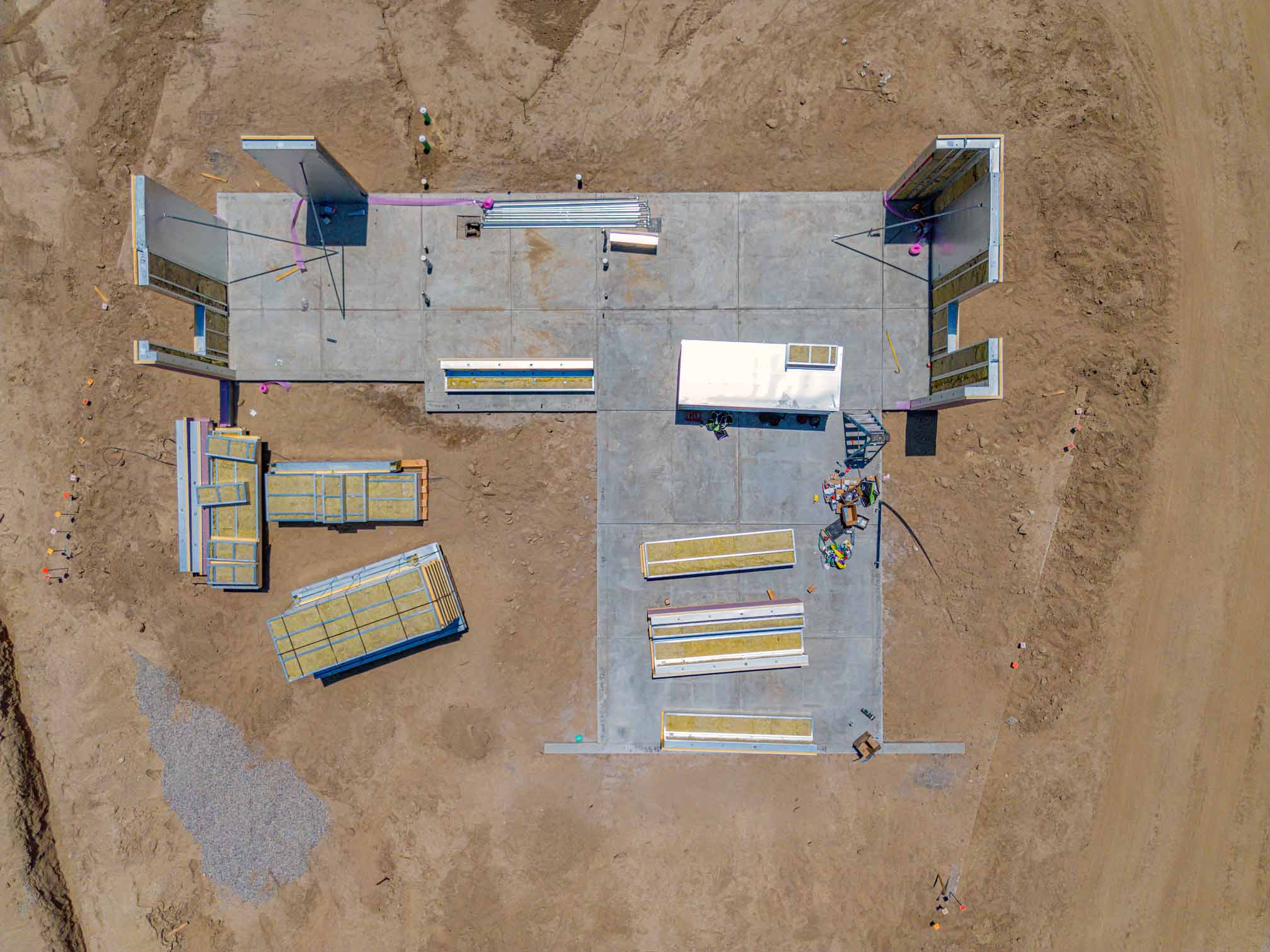
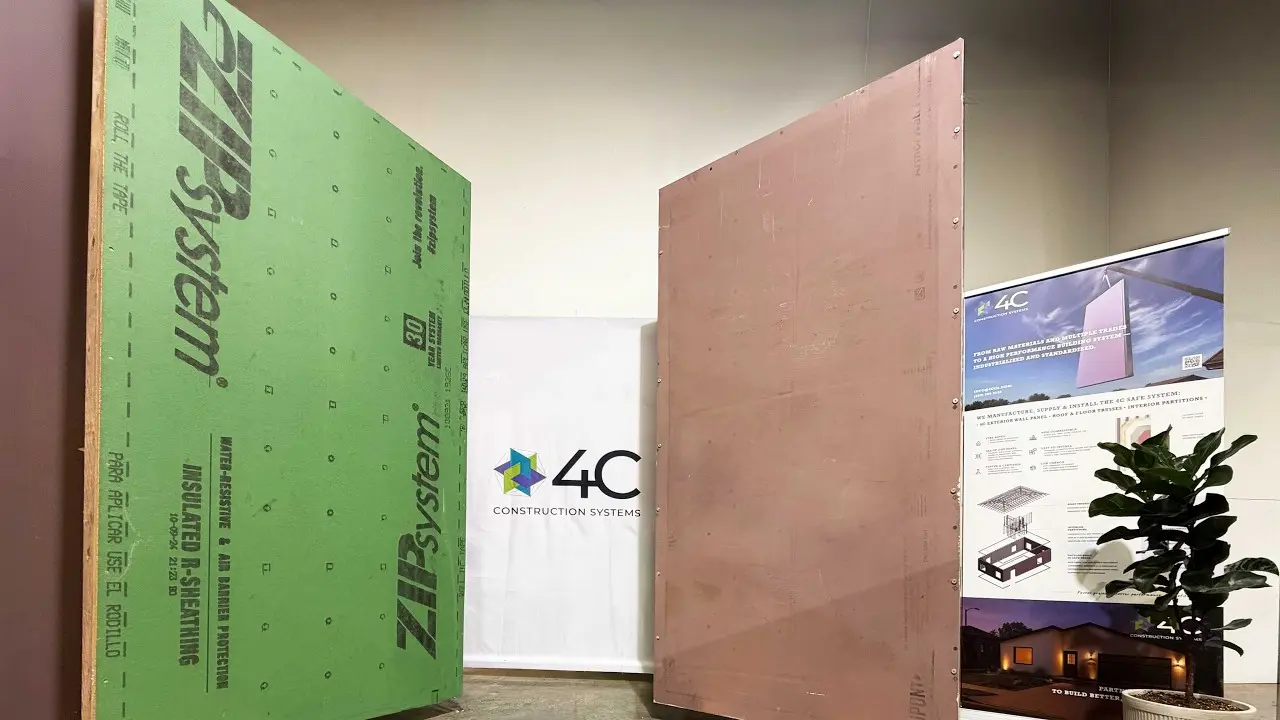
Coordination in. A labeled component out.
Manufacturing doesn't happen in isolation. Here's the sequence immediately around it in our six-phase process.
Coordination
Configuration, digital model, permit documentation, and engineering certification are finalized for your project.
Manufacturing
Components are manufactured at our Hayward facility to exact specifications, then labeled for installation sequence.
Delivery
Pre-labeled components are delivered directly to your site, sequenced for installation.
The same documented standard, on every project.
Documented & repeatable
Every component is manufactured against the same documented standard, backed by engineering certification, so what's specified in configuration is what actually gets built.
Labeled for installation sequence
Components leave the facility already labeled for their exact position in the install sequence, so crews aren't sorting or guessing on site.
ICC-ES listed, both systems
Whether your configuration calls for 4C SAFE™ or 4C ECO™, every component is manufactured under an ICC-ES listed, patent pending system.
Two material options, one manufacturing standard.
Depending on your project's configuration, manufacturing produces components under one of two systems.
Both are precision-engineered, factory-built, ICC-ES listed, and patent pending.

4C SAFE™
Steel-framed, fire-resistant, 1-HR and 2-HR fire-rated, WUI compliant, applicable to all construction types.
- Frame materialSteel
- Fire rating1-HR & 2-HR, fire-resistant
- Construction typesAll types
- Best suited forWildfire / high-risk areas
Code Listed · Patent Pending
Full 4C SAFE™ Specs4C ECO™
Wood-framed components optimized for Type V construction, balancing cost with thermal efficiency.
- Frame materialWood
- Construction typeType V
- Performance focusThermal efficiency
- Best suited forMultifamily / infill
Code Listed · Patent Pending
Full 4C ECO™ SpecsConstruction manufacturing vs. traditional building.
What actually changes when a building is manufactured to spec instead of assembled in the field, and why it produces faster, more predictable, higher-quality projects.
Construction manufacturing moves the majority of a building's assembly off the job site and into a controlled factory. Instead of framing, sheathing, insulating, and weatherproofing a structure outdoors, exposed to weather, labor availability, and field improvisation, 4C manufactures the same building components to exact specification at our Hayward, California facility, then delivers them labeled and sequenced for fast onsite installation. It is the difference between building a structure from scratch on site and assembling one from precision, factory-built parts. This approach is also known as offsite, industrialized, or panelized construction, and it is the core of how 4C delivers projects across the U.S.
How traditional site-built construction works
In a traditional site-built project, nearly every step happens outdoors and in sequence. Separate trades, framers, insulators, sheathing crews, and weather-barrier installers, arrive one after another, each dependent on the last finishing correctly and on the weather cooperating. Coordination lives across many subcontractors and suppliers, so a delay or error in one trade cascades into the next. Quality varies with whoever is on site that day, material sits exposed to the elements, and rework is common. The result is a schedule, a cost, and a level of quality that are all field-dependent, and difficult to lock in early.
How the 4C construction manufacturing process works
4C runs a single, coordinated six-phase process. Before anything is manufactured, the Design and Coordination phases lock in your configuration, digital model, permit documentation, and engineering certification, so manufacturing runs against a fixed, accurate specification rather than a moving target. Components are then cut, assembled, and finished to that specification under either our 4C SAFE™ steel system or our 4C ECO™ wood system, both ICC-ES listed and patent pending. Each component leaves the facility labeled for its exact position in the installation sequence, so crews install in order without sorting, staging yards, or guesswork. Delivery and installation are then managed by our own licensed team as one accountable Integrated Delivery model, rather than handed off between disconnected companies.
The benefits of construction manufacturing
Speed and predictability. Because components are manufactured in parallel with site preparation and arrive pre-sequenced, onsite construction runs up to 30% faster, and the schedule is far less exposed to weather and trade availability. Consistent quality. Factory conditions and a documented, repeatable standard mean every component is built the same way, backed by engineering certification, instead of varying crew to crew. Less waste and better sustainability. Manufacturing to spec reduces offcuts, material waste, and site disruption, which you can read more about on our sustainability page. Resilience. Our steel 4C SAFE™ components are fire-resistant and WUI compliant, rated 1-HR and 2-HR fire-resistive, which matters for rebuilds and high-fire-risk regions. Single accountability. One team owns design coordination, manufacturing, delivery, and installation, backed by a warranty on the complete installed system, so there are no seams for risk to hide in.
Construction manufacturing in California
California puts a particular premium on this model. Strict energy codes, expensive and constrained labor, and Wildland-Urban Interface (WUI) fire requirements all reward components that are engineered and certified before they reach the site. For fire rebuilds in communities like Altadena and Pacific Palisades, our fire-resistant steel system lets homeowners rebuild to a higher resilience standard without a slower schedule. Everything is manufactured at our Hayward facility in the San Francisco Bay Area and delivered to job sites statewide, including Los Angeles, San Diego, and Sacramento. Because components arrive pre-labeled and sequenced, crews install with a reach forklift rather than a crane or a large staging yard, which is a real advantage on tight urban and infill lots.
Who construction manufacturing is for
This model fits anyone who needs a firm scope and firm numbers early rather than surprises later. Owners and property developers get one point of accountability from concept to occupancy. Architects and designers keep their design intent, because the configurator adapts existing designs into manufacturable components rather than forcing a redesign. Builders and general contractors procure one manufactured, certified, pre-sequenced component system instead of coordinating framing, insulation, sheathing, and weather barriers across separate trades. You can see the approach applied to real projects, including fire rebuilds, in our project portfolio.
Ready to see manufacturing fit your project?
Talk to our team about how your configuration translates into a manufacturing and delivery schedule.