
Earlier cost certainty. Faster dry-in. One 4C scope.
4C gives owners and developers one lump-sum partner for the coordinated 4C system through installation, helping reduce handoffs, field labor, schedule uncertainty, and carrying-cost exposure.
One point of accountability, from concept to occupancy.
Traditional projects hand off between architects, permitting agencies, manufacturers, and contractors, with risk piling up at every seam. We coordinate configuration, certification, manufacturing, delivery, and installation as one process, so you get a firm scope and firm numbers early, instead of surprises later. Read more about our full six-phase process.
From concept to occupancy.
This is how a typical project moves once you bring it to us.
Concept & Feasibility
Share your building design or project concept. We assess configuration options and give you an early read on cost and schedule.
Configuration & Budgeting
Our configurator defines components and specifications, locking in a firm scope before you commit further capital.
Permitting & Certification
We generate permit documentation and engineering certification alongside your approvals process, instead of after it.
Manufacturing
Components are manufactured to spec at our Hayward facility while your approvals and site work proceed in parallel.
Delivery & Occupancy
Coordinated delivery and installation support keep the project moving toward a predictable occupancy date.
Built around the three things you're measured on.
Lower cost
Factory precision and one coordinated process reduce upfront, operational, and long-term costs compared to disconnected trades.
Faster delivery
Parallel permitting, certification, and manufacturing cut onsite construction time by up to 30% versus conventional stick-framing.
Improved certainty
A documented, repeatable process across design, approvals, and construction means fewer surprises and firmer numbers.
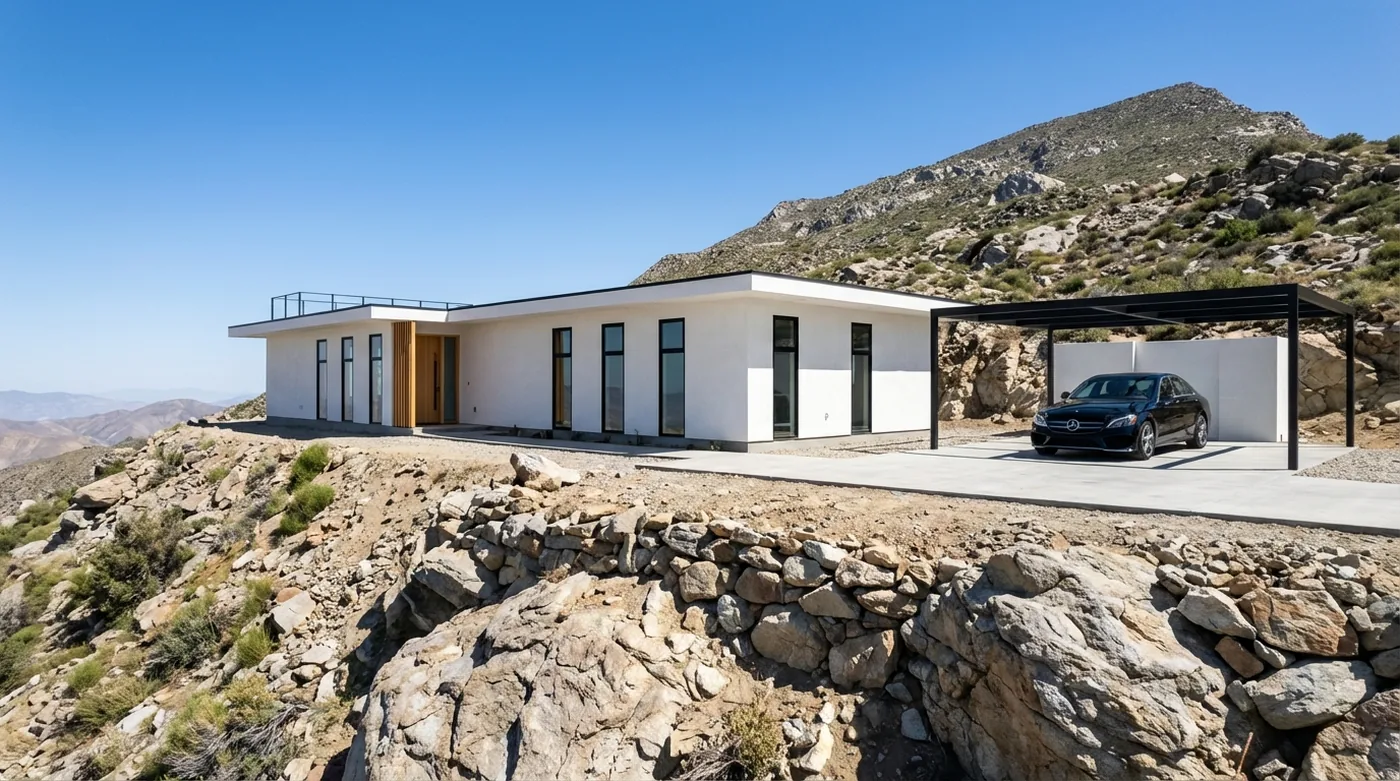
One provider, accountable from concept to occupancy.
When configuration, permitting, certification, and manufacturing all run through the same coordinated process, nothing gets lost in translation between an architect, a permitting office, a factory, and a job site. That's less schedule risk and fewer change orders landing on your budget.
You get a single point of contact who already owns the parts of the process most likely to blow a budget or a schedule.
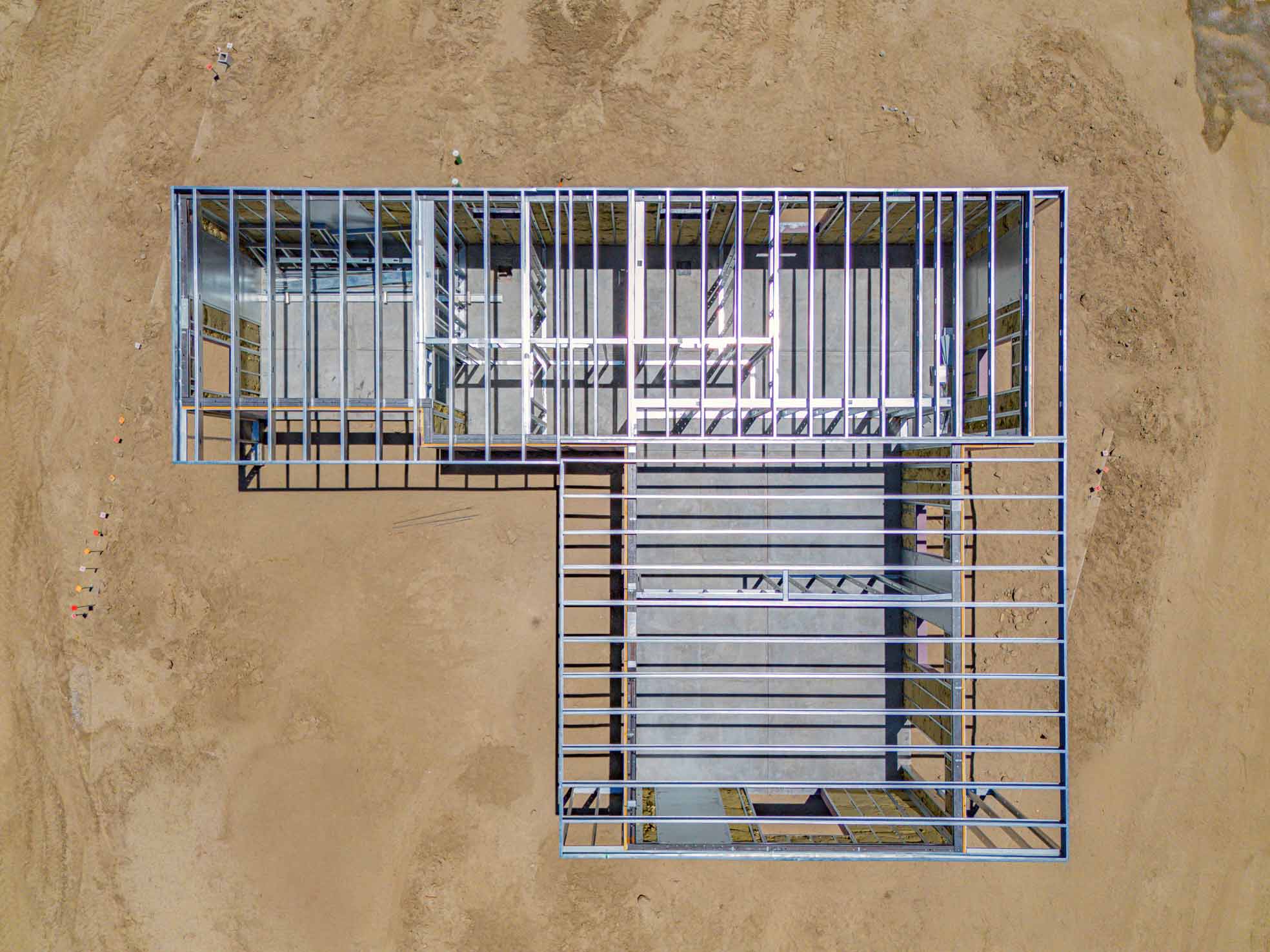
Real projects, real numbers.
Up to 30% faster onsite construction and two ICC-ES listed, patent pending component systems aren't marketing claims, they're documented outcomes from projects already delivered across California, including fire rebuilds in Altadena and the Pacific Palisades.
That track record is what lenders, insurers, and investment committees want to see before they sign off on a project timeline.
The business case for developing with 4C.
As an owner or developer, what you're really buying from a structural system isn't the components themselves, it's a set of promises about time, cost, and coordination that most construction contracts don't actually keep. Every project you evaluate comes down to the same five questions: how fast can it move, what will it really cost, how much of the coordination burden falls on you, whether the team responsible shows up when something goes wrong, and whether the whole thing is credible enough to take to a lender, an insurer, or an investment committee. Here's how the 4C process answers each one.
Time: parallel work instead of sequential risk
Conventional projects hand off between an architect, a permitting agency, a manufacturer, and a contractor in sequence, and every handoff is a place where a week, or a month, quietly disappears. We run configuration, permitting, certification, and manufacturing as one coordinated process instead, so permit documentation and component production can move in parallel rather than waiting on each other. That's a meaningful part of why projects on the 4C platform cut onsite construction time by up to 30% compared to conventional stick-framing, and why a rebuild or new build can reach occupancy faster without cutting corners to get there. For a fire rebuild in particular, where a family or a portfolio of tenants is waiting on that occupancy date, the difference between sequential and parallel timelines is measured in months, not days.
Cost: firm numbers before you commit capital
The riskiest moment in most developments is the gap between an early estimate and the firm number that shows up after permitting, when scope creep and material price swings have already eaten into your pro forma. Because our configurator defines components and specifications early, you get firm cost and schedule numbers before permitting even begins, so you're committing capital against a defined scope rather than a guess. Factory-manufactured components also carry less exposure to the price volatility and waste that inflate a stick-built budget over time, and a shorter schedule means fewer months of carrying costs, financing charges, and holding risk stacked on top of the build itself.
Convenience: one point of accountability
Instead of managing an architect, a permitting office, a manufacturer, and a general contractor as four separate relationships, each with their own risk of dropping the ball, you get one coordinated process behind configuration, certification, and manufacturing. That doesn't replace your own team: it's common for a developer to bring their own general contractor for site work and delivery scheduling, or their own architect, while we handle the parts of the process most likely to blow a budget or a schedule. Read the full six-phase process to see exactly where those responsibilities split.
Service: a team that stays through occupancy
We don't hand off a set of components and disappear. Our team supports delivery scheduling and installation through to occupancy, and for owners and developers rebuilding after a fire, we run a dedicated rebuild program covering communities including Altadena and the Pacific Palisades, alongside standard new-build and ADU work. If you don't already have an architect, we can refer you to one of our architecture partners rather than leaving you to find one cold.
Credibility: numbers lenders and insurers actually trust
Up to 30% faster onsite construction and two ICC-ES listed, patent pending component systems aren't marketing claims, they're documented outcomes from a growing portfolio of completed projects across California, including the Borrego Springs installation, our first-ever 4C SAFE™ project, captured start to finish on video. That kind of track record is what lenders, insurers, and investment committees want to see before they sign off on a schedule, because it's evidence rather than a projection.
None of this asks you to restructure how you finance, permit, or manage a project. The project itself stays entirely conventional, financed, permitted, and inspected the way any project in California is. What changes is how much certainty you have earlier, and how few of the usual seams are left for cost and schedule risk to hide in. It also means you don't have to choose between speed and documentation: every project is delivered with the same certifications and inspection records a conventional build would produce, just on a shorter timeline. If you're pencilling out your next project, whether it's a ground-up development, a multifamily infill, or a fire rebuild on a tight timeline, get a quote from our team, or explore how the same efficient manufacturing process lowers your project's carbon footprint alongside its cost and schedule.
Ready to pencil out your next project?
Send us your concept and we'll help you scope cost, schedule, and the right component system.